Preventing Dogs Drowning: How to Have a Safer Summer with Your Dog

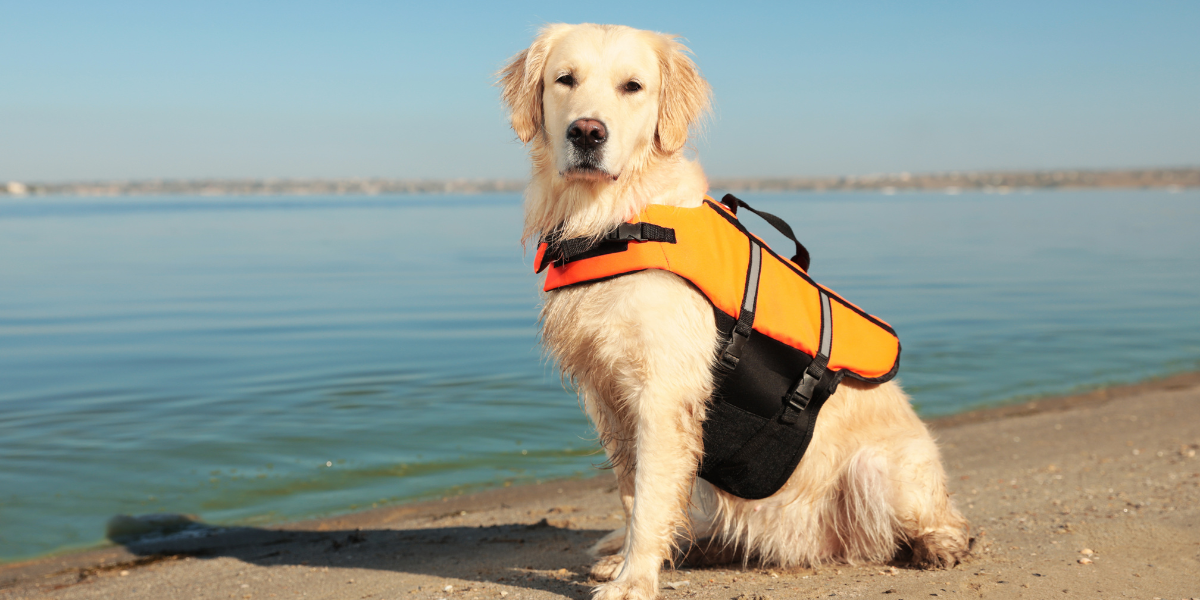
There is nothing better than a beach break with your favourite furry friend! Watching them play in the sand and splash in the water brings great joy to pet owners. But sadly, the sea can bring risks to our dogs. This summer, we have partnered with the award-winning First Aid For Life & First Aid For Pets to learn about some key tips on how to keep your dog safe when on or around water.
Prevention is key to avoid dogs drowning in the first place. Dogs instinctively know how to swim or ‘doggie paddle,’ but are still at risk around large bodies of water, especially the sea and swimming pools. Always be extra cautious when you are near water with your dog. If you feel they might make a dash for it, make sure you put them on the lead until you are at a safe distance.
It is important to keep in mind how the water and surroundings can play a big factor in your dog’s safety. Here are some common issues that you should be prepared for that could help.

Choppy Water & Strong Currents & Respiratory Difficulty
If your dog is swimming in water where the current is very strong, or there are lots of waves, they may tire more quickly. Dogs don’t understand about preserving their energy by treading water, so may become exhausted. This puts them at risk of drowning and difficulty breathing due to water inhalation.
Open & Cold Water & Swimming Pools
If you head off on a boating adventure, a fitted life jacket could help save your pet’s life. Even if your dog is a strong swimmer, it helps them to float if they fall in. A life jacket will also give people trying to save them something to grab onto. If the water is partially cold, be sure to have blankets and towels at the ready. Additionally, be prepared to treat hypothermia in dogs exposed to cold water by administering supportive measures. This includes providing warmth and monitoring their body temperature.

Steep & Slippery Surroundings
Remember that most dogs are much heavier in water than on land and so may struggle when they are trying to get out – especially when they are tired after a swim. Or they could simply get stuck in the sand, mud or underwater weeds.
It is also important to think about their breed, as well as whether they are small dogs or large dogs. The build of short-nosed breeds (like pugs, bulldogs, boxers, shih tzus, and other brachycephalic breeds), makes it such that swimming is more dangerous for them.
Dogs and Near Drowning – What Every Pet Owner Should Know
Pet parents need to know some basic first aid as well as what to do in a medical emergency – it will help with your dog’s recovery as well as prevent dry drowning. If you find your pet unconscious in water (in the sea, lakes, rivers and swimming pools):
- Check the mucous membranes for a grey or bluish discolouration. This would mean they are cyanosed and your pet has been deprived of oxygen (acute respiratory distress syndrome).
- Check for breathing and any respiratory difficulty. Look for clinical signs such as respiratory distress and coughing.
- If they are not breathing and you are able to do this; hold your pet upside down and gently shake them. This can encourage them to breathe on their own.
- Alternatively, put them onto their right-hand side with their head lower than their body.
- Locate the last ribs and push into the dent beside these in an upward motion towards their head to try and force out any weed or water and encourage them to breathe.
- Repeat this 4 or 5 times for up to a minute
- If they do not begin to come around or start breathing and there is no pulse, start rescue breaths and then if appropriate, CPR. Click here to find out more about CPR for dogs.

You should also be aware of dry drowning, also called secondary drowning. This is a potentially fatal condition that occurs when a dog breathes in water whilst swimming. It can “drown” your dog hours or even days after swimming. If you do suspect your dog is suffering from water intoxication, take them immediately to a veterinary hospital. A complete blood count is important as part of the diagnostic process.
Following our handy water safety checklist should ensure you can continue to enjoy many happy times with your dog around water this summer and avoid a near-drowning incident. First Aid for Pets provides this information for guidance and it is not in any way a substitute for veterinary advice. The author does not accept any liability or responsibility for any inaccuracies or for any mistreatment or misdiagnosis of any person or animal, however caused.

About First Aid For Pets
First Aid for Pets is an Award Winning Dog First Aid training provider empowering all pet lovers with the skills and confidence to help their pet – in those first vital minutes before you can get to a Vet.
First Aid for Pets is delighted to offer PetsPyjamas customers 20% off our First Aid for Dogs online course. Use the code: couponpetspyjamas20 or follow this link HERE
Prevent drowning and have a safe petaway with PetsPyjamas
Now that you know our top First Aid advice for when your dog is drowning and how to prevent the emergency from happening, you can have a safe first holiday away with your beloved companion by the coast, or at a lovely cottage with a swimming pool!
If you are yet to book, we have a wide range of dog-friendly cottages and hotels that are pawfect for your first adventure together! Visit our website today to find out more.
Related Posts
Expert Vet Tips on Travelling with your Dog

From car travel to doggy travel kits, here's how to travel safely with your furry friend
Blogger Madeleine Spencer & Monty

Madeleine Spencer talks to us about her rescue Beagle Pointer cross and how he's settling in.

Christmas Treats For You And Your Dog

Looking to add a couple of Christmassy bakes to your repertoire? In this blog, you’ll find two easy-to-make, mouthwatering festive...

Six Dog-friendly Staycations that Make you Feel Like you’re Abroad

With overseas travel looking unlikely this year, why not explore these equally amazing UK destinations!

PetsPyjamas Top 10 Autumn Petaways
Escape with your pet this autumn holidays to a fabulous country retreat. PetsPyjamas has a wonderful selection of properties...

2 week fitness plan for you and your dog

Personal Trainer Amanda Wilkinson reveals to PetsPyjamas how you and your dog can motivate each other to get fit.